Understanding Cholesterol and Heart Health
Cholesterol is a waxy substance found in your blood. While your body needs cholesterol to build healthy cells, having high levels can increase your risk of heart disease. High cholesterol can lead to fatty deposits in your blood vessels, making it difficult for enough blood to flow through your arteries.
At CRM Healthcare, we understand the importance of managing cholesterol levels for maintaining cardiovascular health. Our range of cardiac care medications helps patients manage their heart health effectively.
What Causes High Cholesterol?
- Poor diet high in saturated and trans fats
- Lack of physical activity
- Smoking and excessive alcohol consumption
- Obesity and excess weight
- Genetics and family history
- Certain medical conditions like diabetes and hypothyroidism
Natural Ways to Lower Cholesterol
1. Heart-Healthy Diet
Focus on eating foods rich in omega-3 fatty acids such as salmon, mackerel, and walnuts. Increase your intake of soluble fiber found in oats, apples, and beans. Reduce saturated fats found in red meat and full-fat dairy products.
2. Regular Exercise
Aim for at least 150 minutes of moderate aerobic activity per week. Brisk walking, swimming, and cycling are excellent choices for improving heart health and managing cholesterol.
3. Maintain a Healthy Weight
Losing even 5-10% of your body weight can help improve cholesterol levels. Combine a balanced diet with regular physical activity for sustainable weight management.
Medical Treatments for High Cholesterol
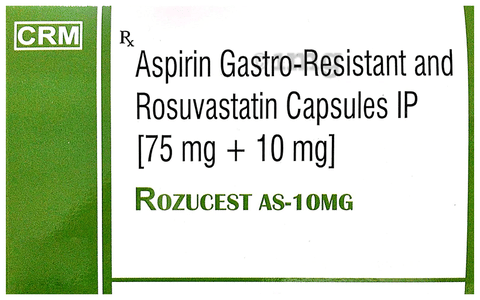
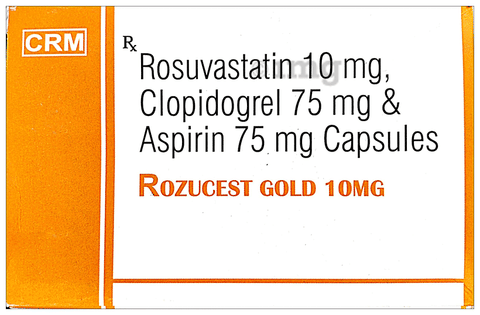
When lifestyle changes aren't enough, medications may be necessary. Common cholesterol-lowering medications include statins, bile acid sequestrants, and cholesterol absorption inhibitors. CRM Healthcare provides quality cardiac care medications including Rozucest and Rosuvastatin formulations to help manage cholesterol levels effectively.
Prevention Tips for Long-Term Heart Health
- Get regular health check-ups and monitor your cholesterol levels
- Quit smoking and limit alcohol intake
- Manage stress through meditation and relaxation techniques
- Stay physically active throughout the week
- Take medications exactly as prescribed by your doctor
When to See a Doctor
If you have a family history of heart disease, are over 40, or have existing health conditions like diabetes or high blood pressure, schedule regular cholesterol screenings. Early detection and management are key to preventing serious cardiovascular events.