The Role of Nutrition in Immune Health
A well-functioning immune system is your body's first line of defense against infections. While a balanced diet is the foundation of good health, nutritional supplements can help fill gaps and support immune function when dietary intake is insufficient.
Essential Vitamins for Immunity
Vitamin D
Vitamin D plays a crucial role in immune function. Deficiency has been linked to increased susceptibility to infections. Good sources include sunlight exposure, fatty fish, and fortified foods. CRM Healthcare's Zobinet-D3 provides Vitamin D3 supplementation for immune support.
Vitamin C
A powerful antioxidant that supports cellular immune function. Found in citrus fruits, bell peppers, and strawberries. Daily supplementation may reduce the duration of common colds.
B Vitamins
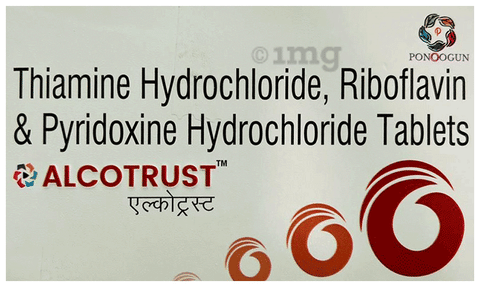
B6, B12, and folate are essential for immune cell production. CRM Healthcare's nutritional supplement range includes formulations that combine essential B vitamins for comprehensive nutritional support.
Minerals That Support Immunity
- Zinc: Essential for immune cell development and function
- Selenium: Antioxidant that reduces oxidative stress
- Iron: Supports immune cell proliferation
- Magnesium: Involved in immune response regulation
Choosing Quality Supplements
- Look for GMP-certified manufacturers
- Check for third-party testing and certification
- Choose supplements in bioavailable forms
- Avoid products with unnecessary fillers and additives
- Consult healthcare professionals before starting supplements
When to Consider Supplementation
- Diagnosed nutritional deficiencies
- Restricted diets (vegan, vegetarian, elimination diets)
- Increased needs during illness or recovery
- Aging-related nutrient absorption issues
- Pregnancy and lactation
- Chronic stress and poor sleep